electronica Automotive Conference


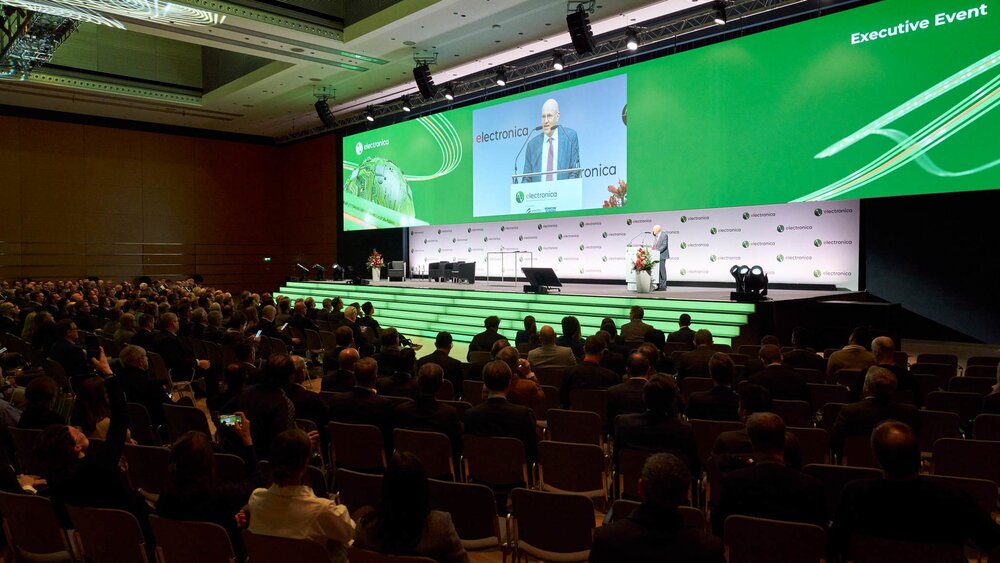
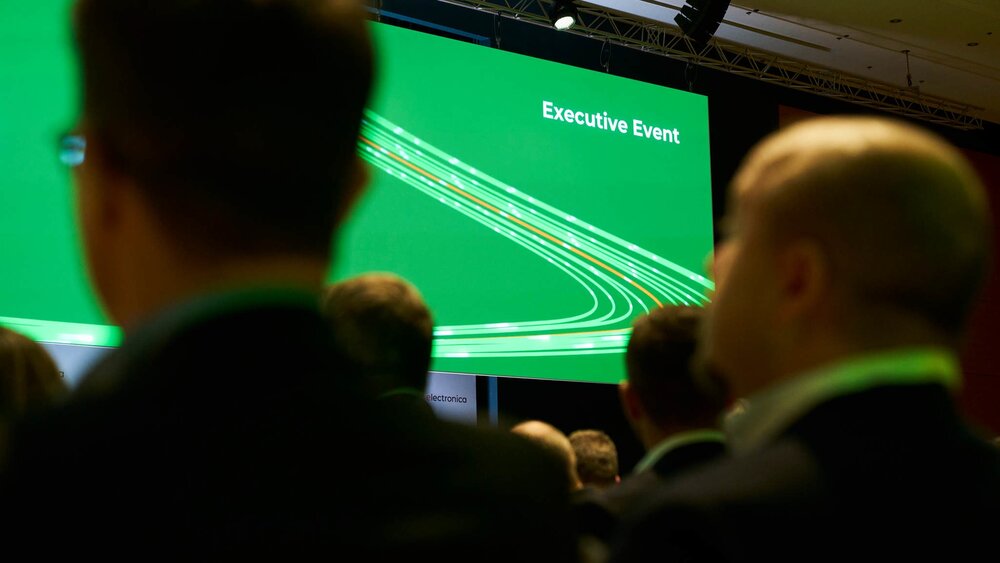
Artificial intelligence, cyber resilience, and energy efficiency are redefining products, value chains, and business models across the global electronics industry. At the same time, they are forcing companies to make decisions that extend far beyond individual technologies. The electronica Executive Event brings together senior leaders from industry, government, research, and key user industries. Together, they explore the technological, economic, and regulatory forces that will define the future competitiveness of the electronics industry.

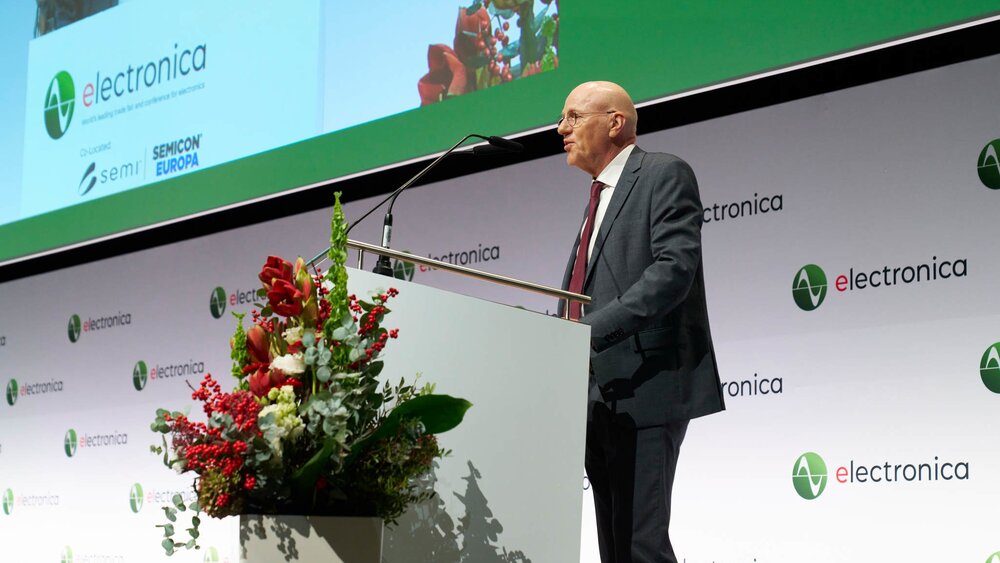
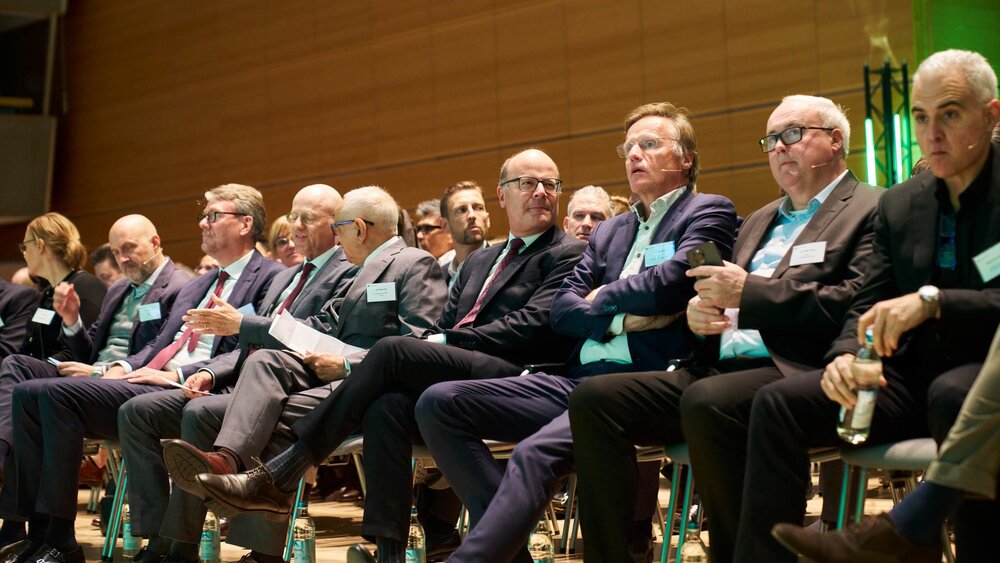
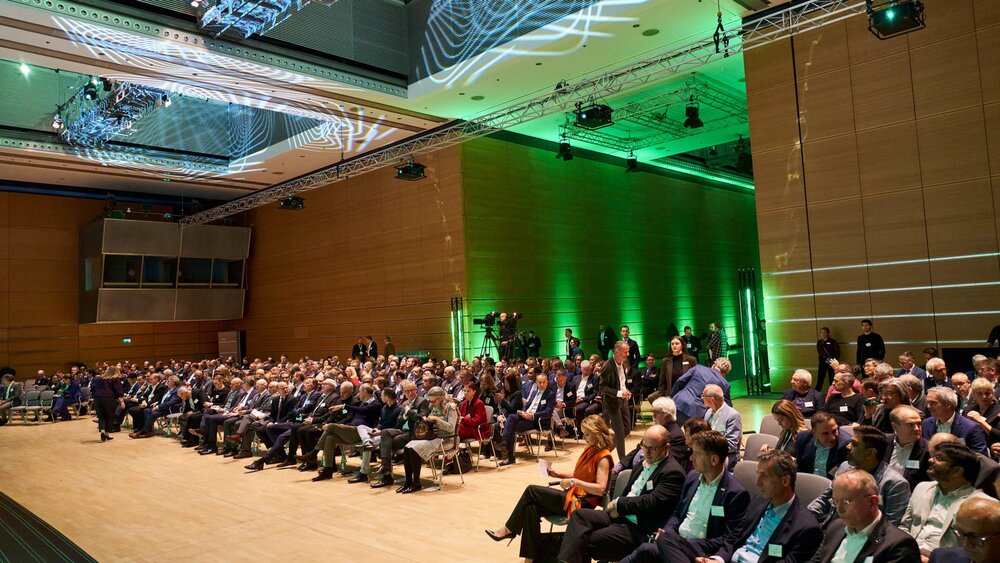
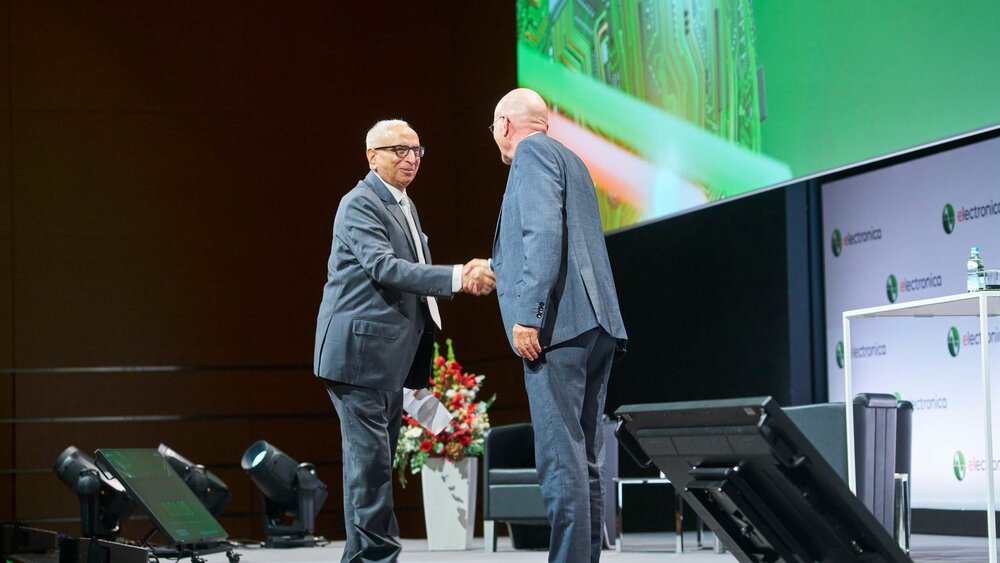
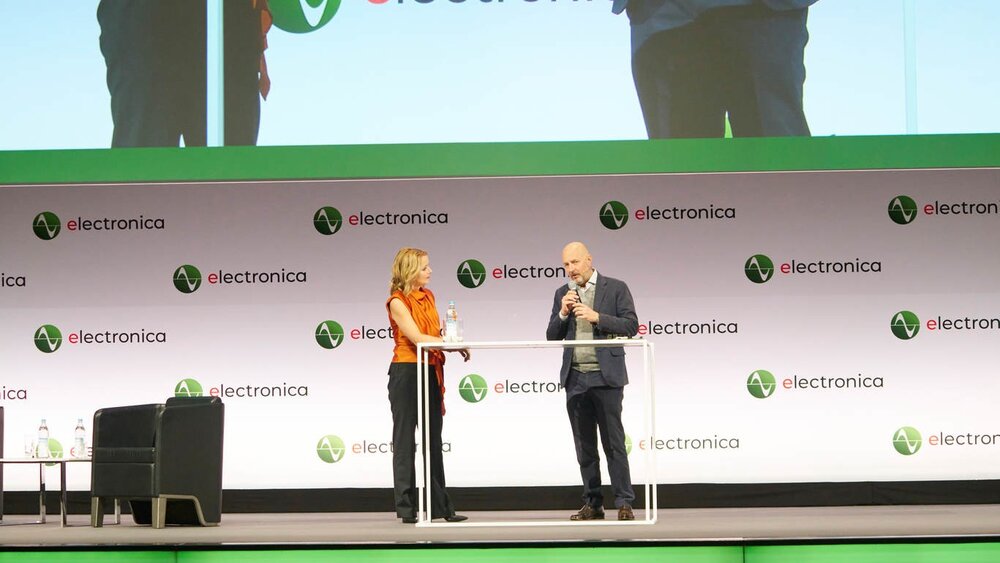
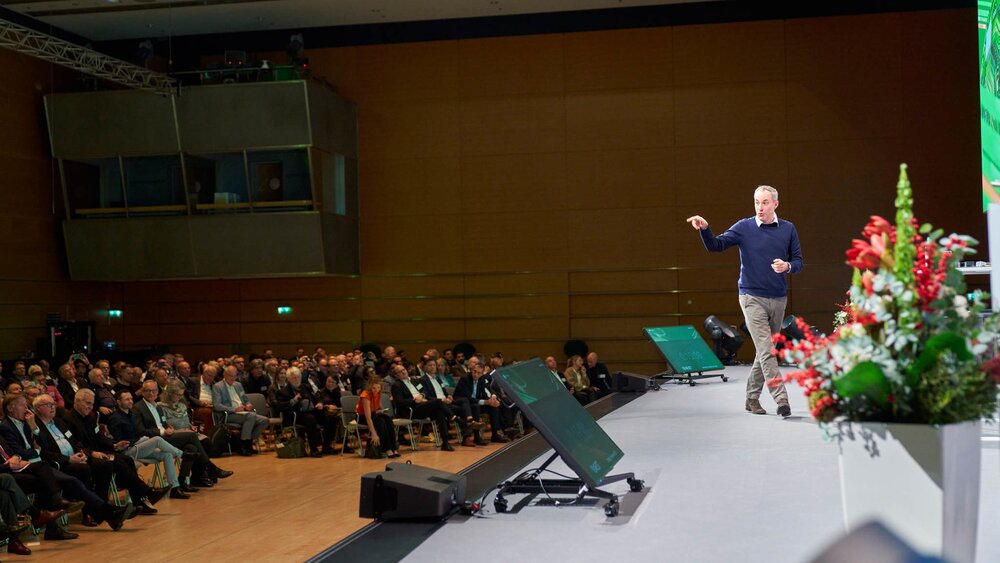
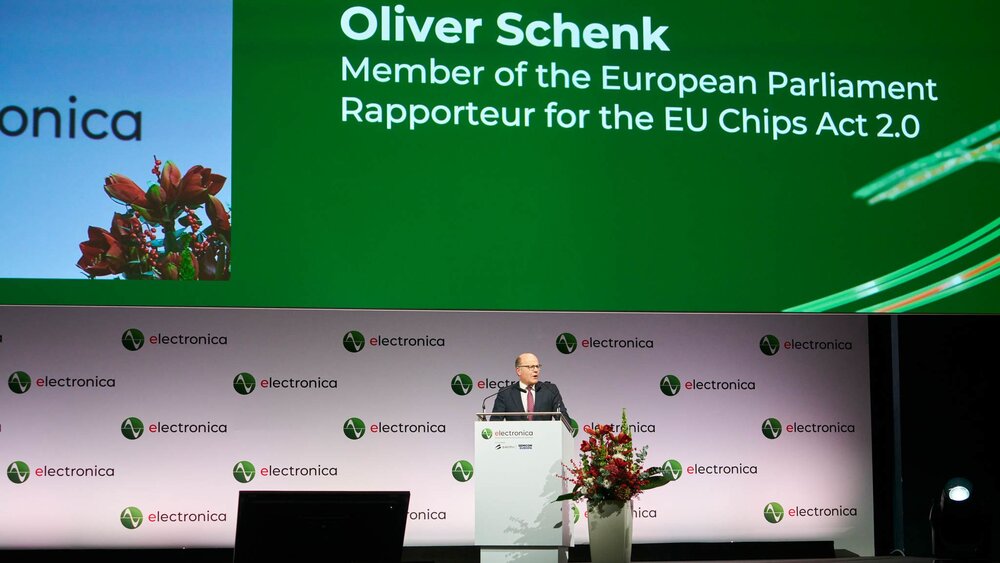
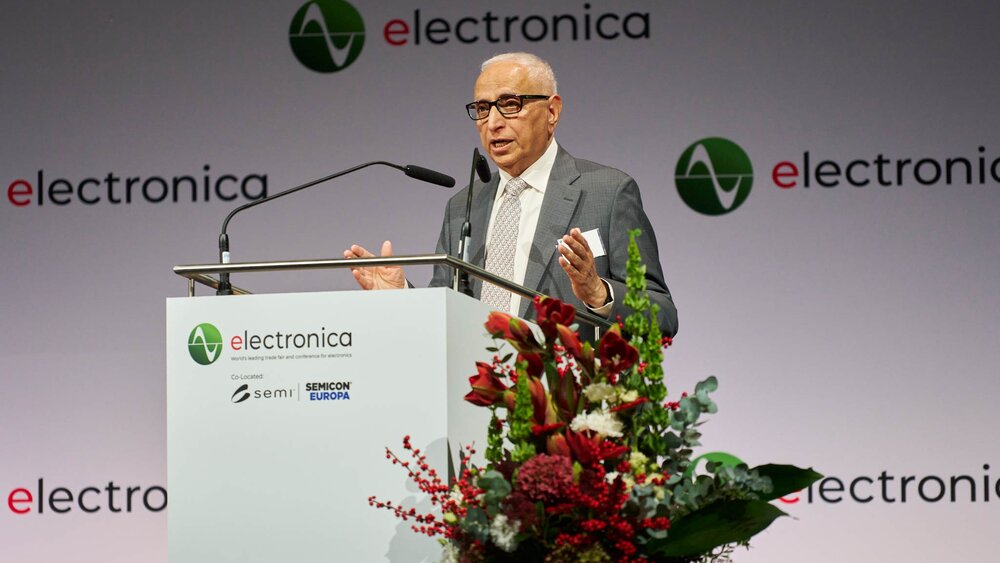
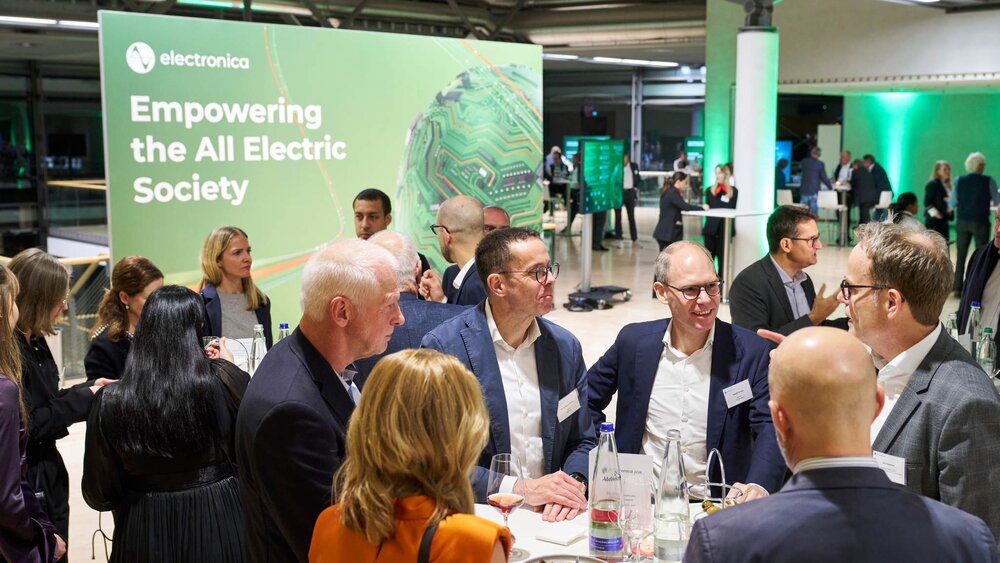
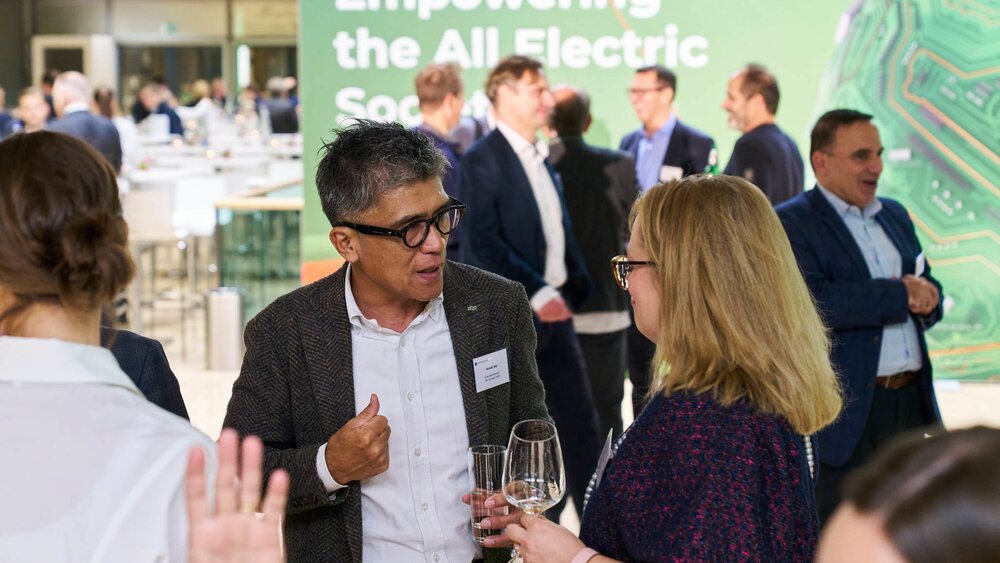
On the eve of electronica 2026, leaders from industry, politics, research, and end-user sectors came together to discuss the topics currently of particular concern to the electronics industry: artificial intelligence, cyber resilience, and energy efficiency.
The focus was not only on technological developments but also on the question of how they impact competitiveness, value chains, and investment decisions.
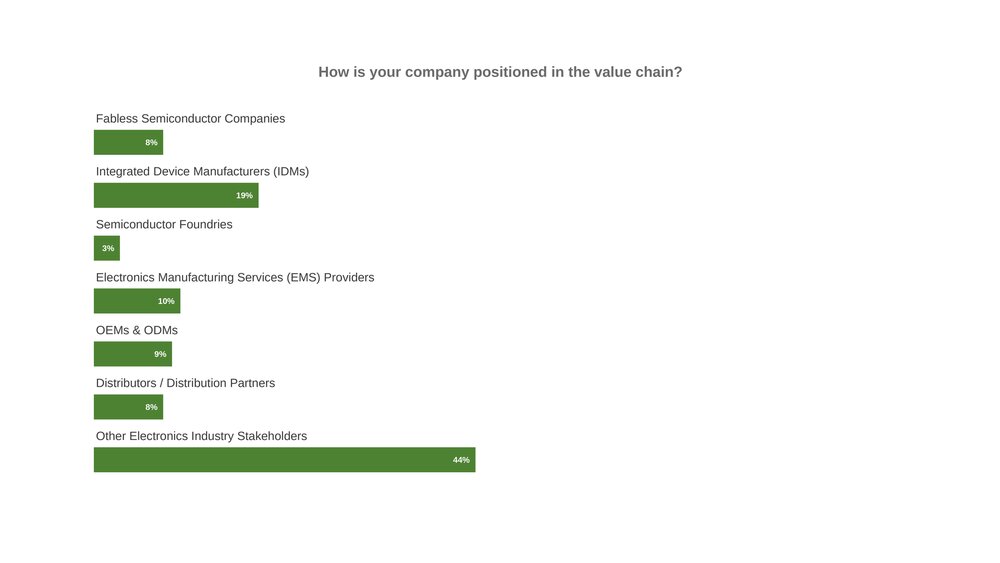
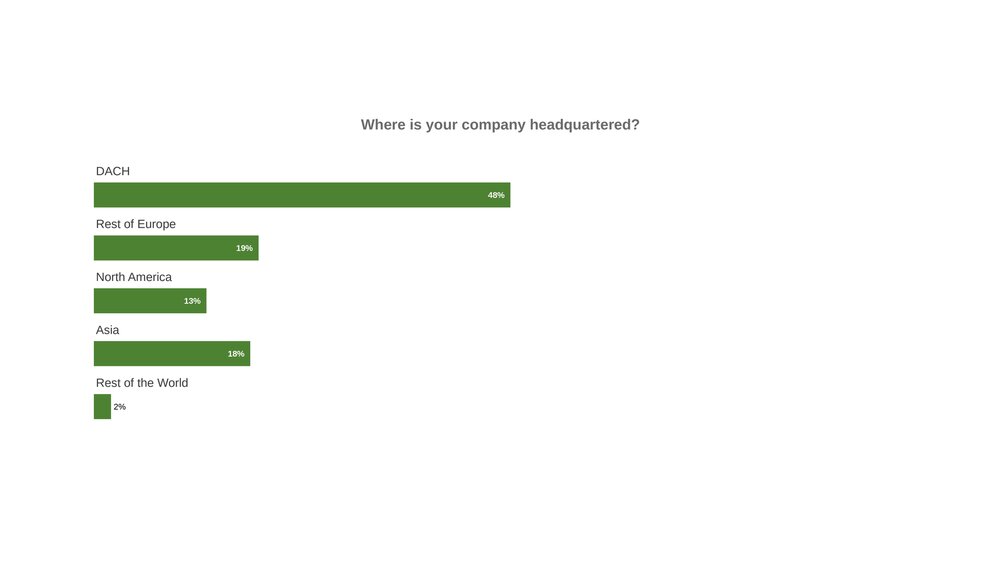
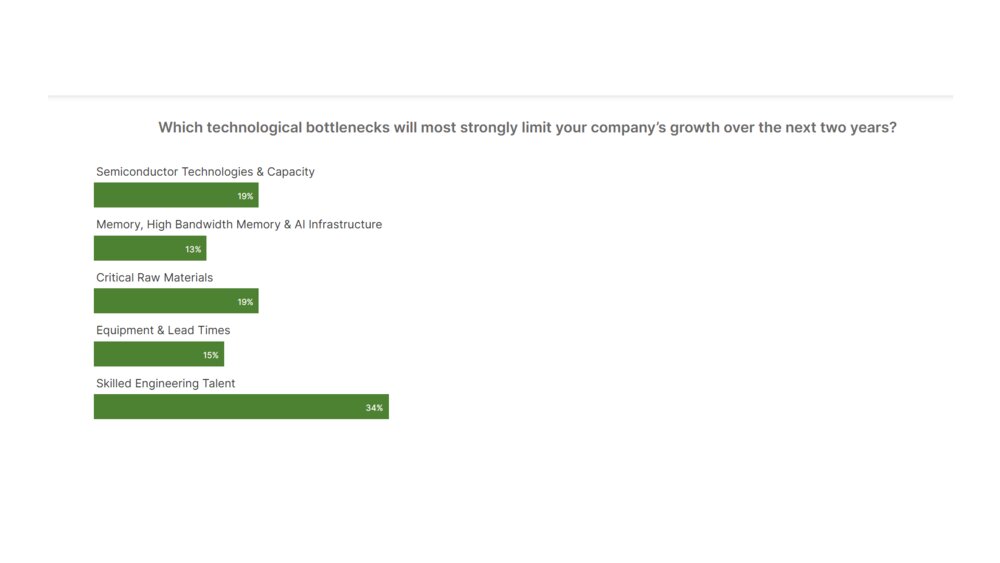
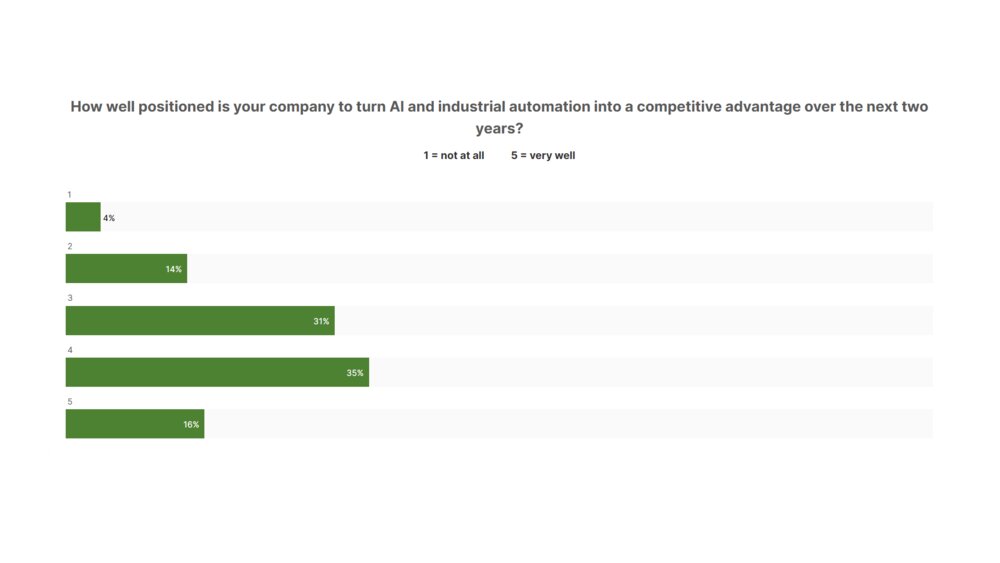
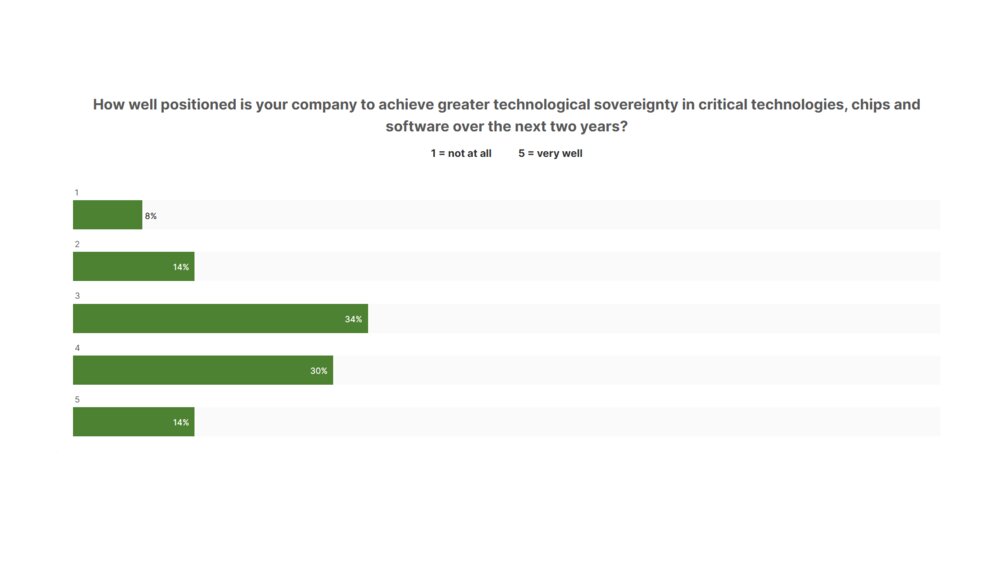
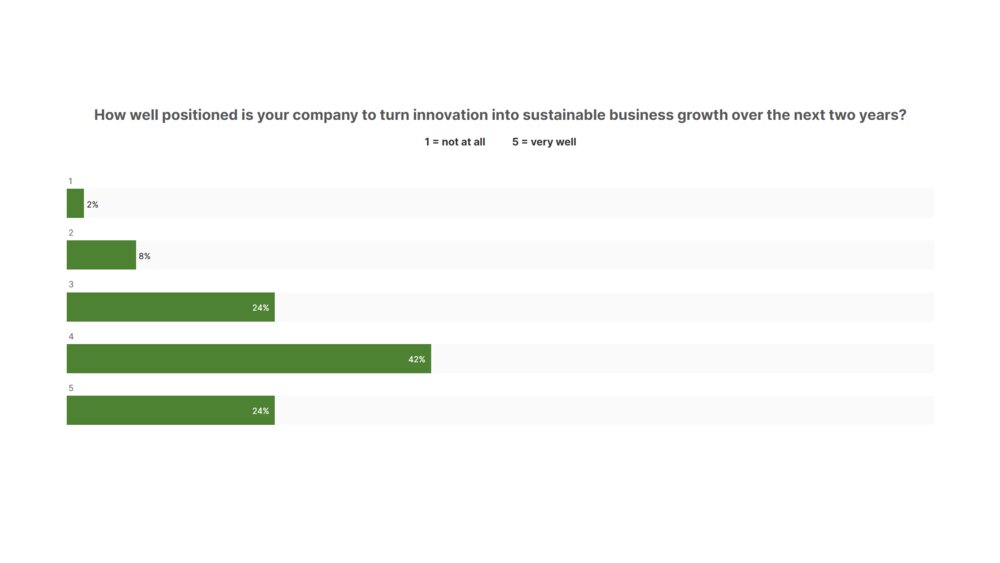
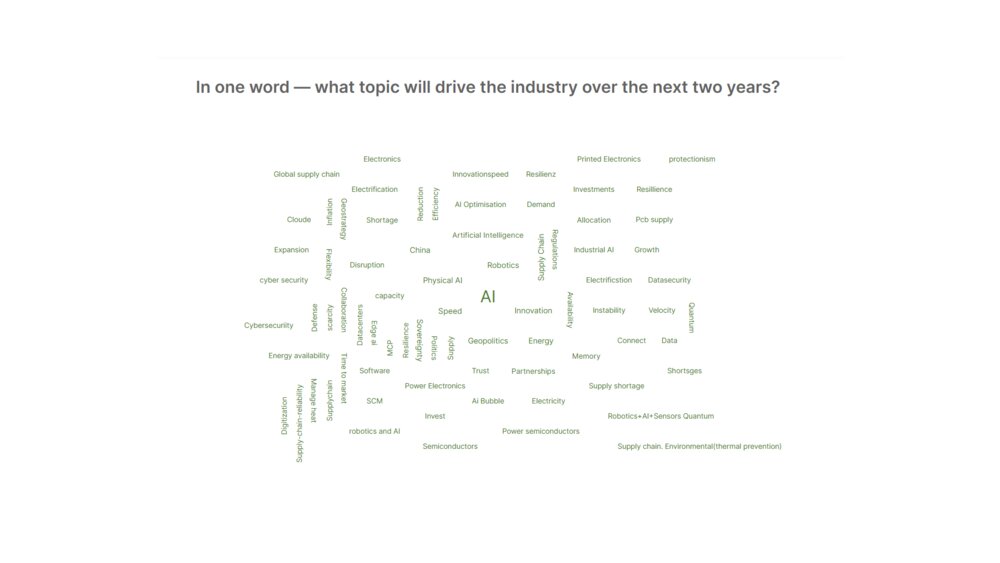
The results of the Live Industry Radar, the key insights from the discussions, and selected comments from the evening are documented on this page. They highlight which topics participants consider particularly relevant and where the industry currently sees the greatest need for action.
1. Europe must become faster and more competitive.
Although the European semiconductor industry has great technological potential, bureaucracy, complex regulations, high energy and labor costs, and a lack of planning certainty hold it back. To remain competitive on the global stage, it needs better framework conditions and faster decision-making.
2. Physical AI and Edge AI offer Europe significant opportunities for the future.
Europe’s strengths lie in systems thinking, cross-industry collaboration, and developing secure and trustworthy technologies. Building on its existing expertise in the automotive and industrial electronics sectors, Europe could gain a decisive competitive advantage with Physical AI and Edge AI.
3. Innovation requires investment, scaling, and planning certainty.
Europe boasts excellent research, a highly skilled workforce, and high-performing technology clusters. However, large-scale investments, a reliable policy framework, and the ability to bring innovations to market more quickly are required for these to result in globally successful products.
Overarching message: Europe has the technological prerequisites to help shape the future of the semiconductor industry. It is crucial to leverage its strengths consistently and translate them into economic success more quickly.
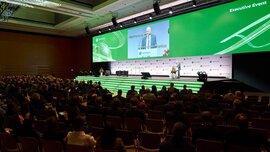
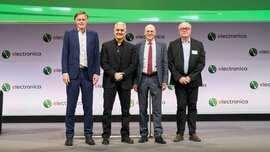
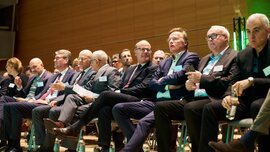
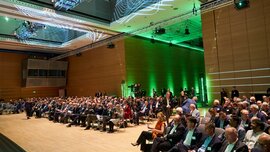
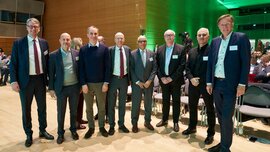
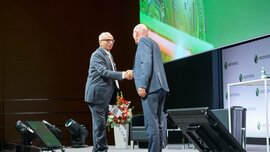
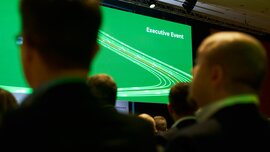
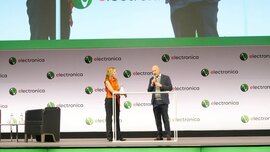
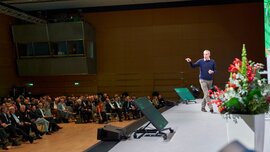
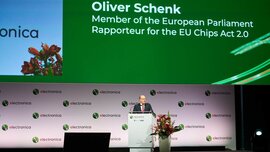
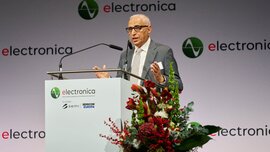
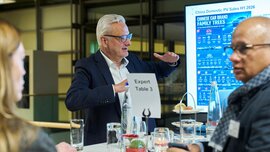
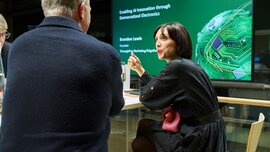
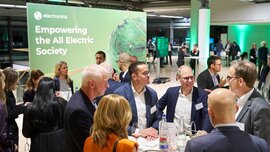
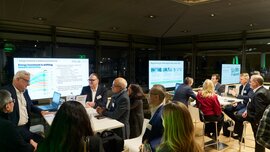
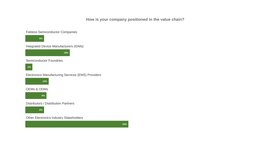
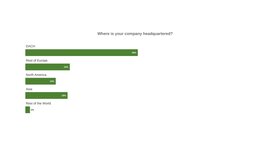
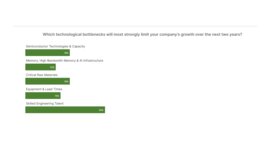
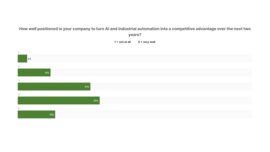
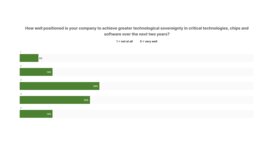
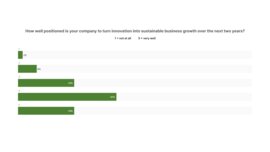
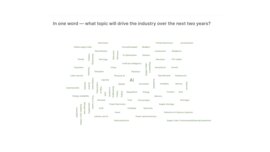
Optimism about innovation potential, challenges regarding technological sovereignty and skilled workers: The Live Industry Radar shows how participants at the electronica Executive Event assess the opportunities and risks of the coming years.
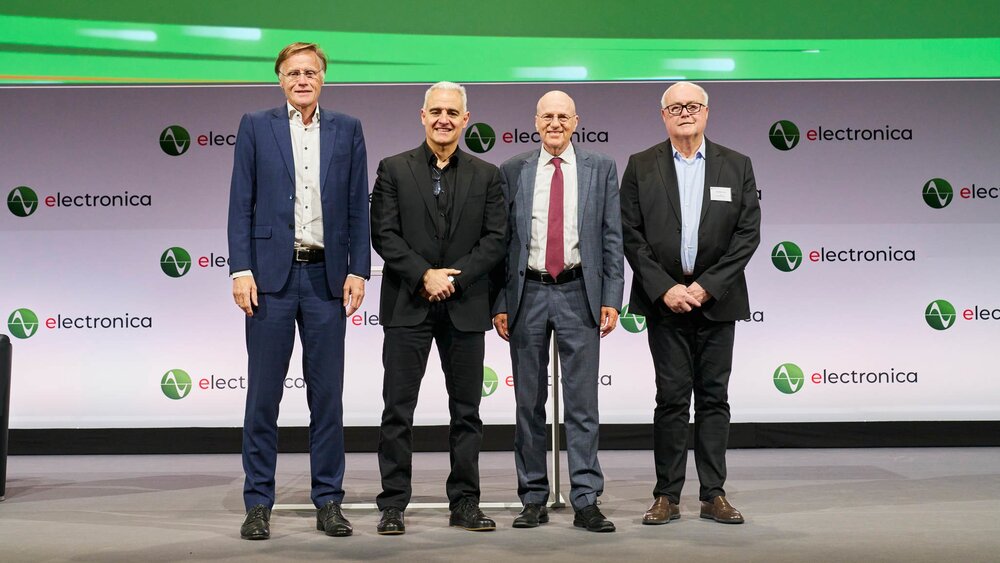
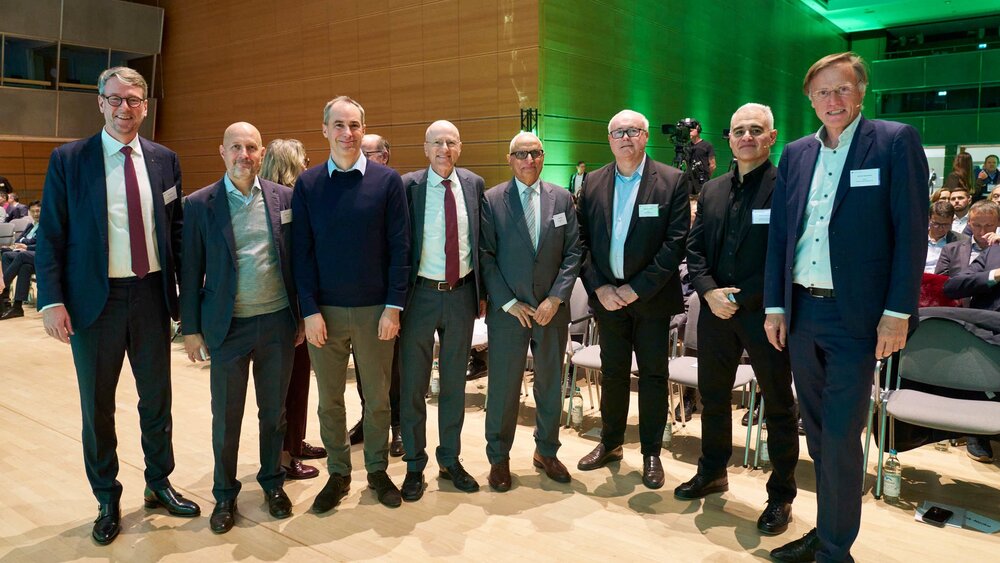
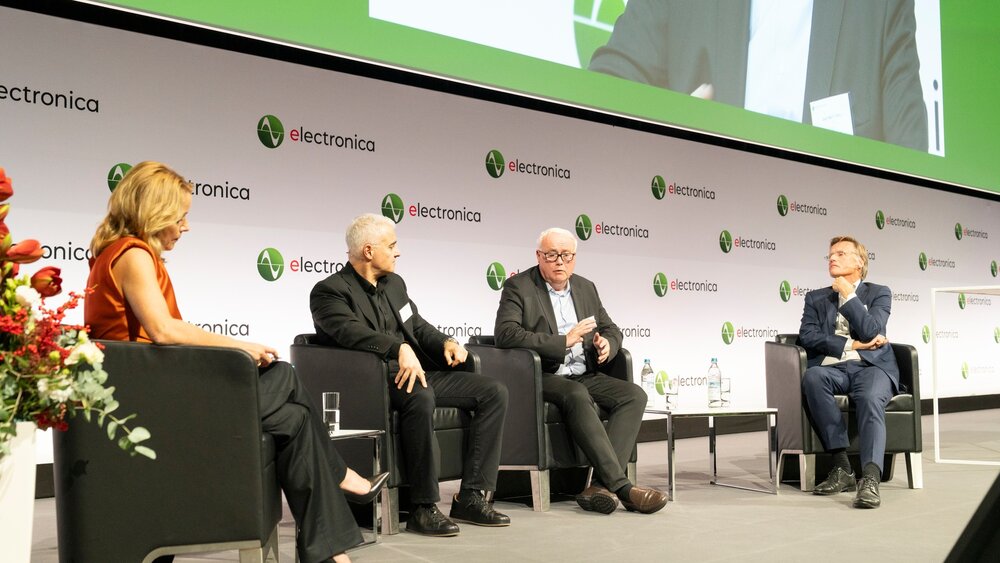
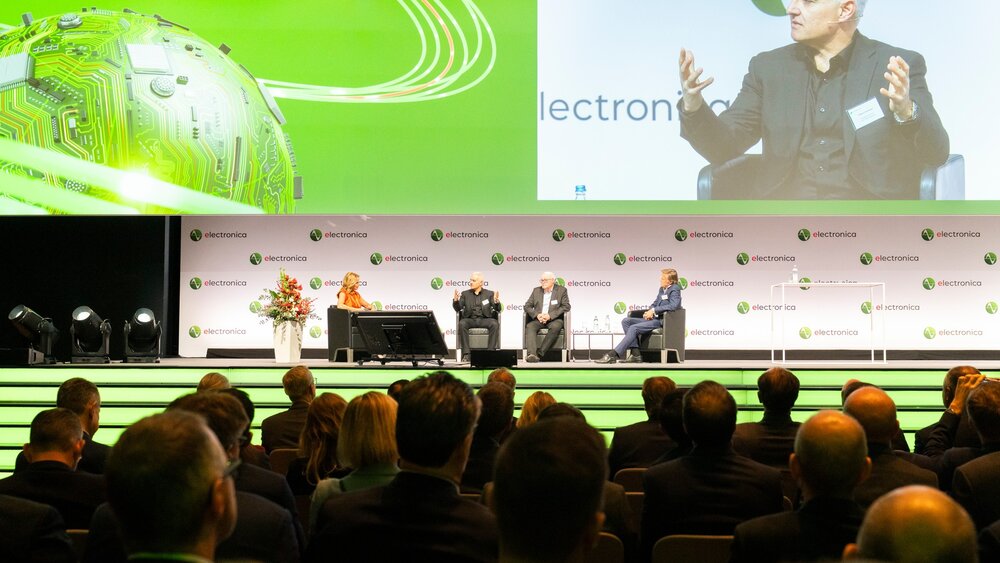
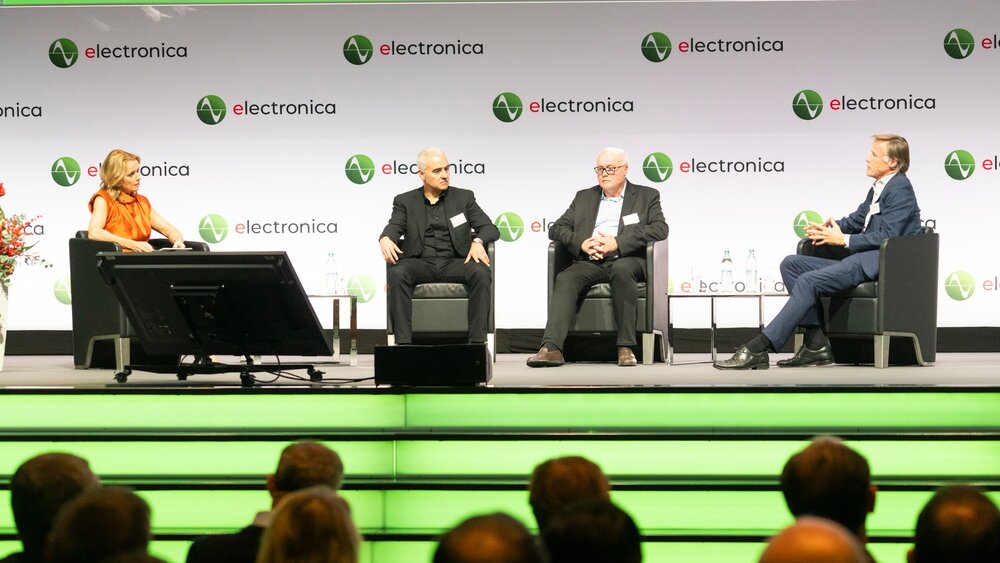
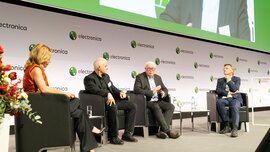
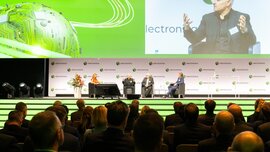
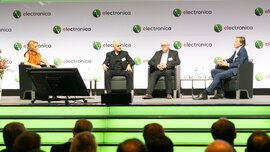
Immerse yourself in the unique atmosphere of the electronica Executive Event with CEO Roundtable
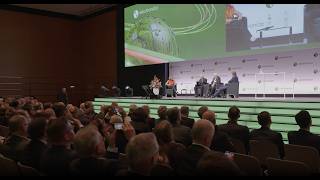 Play video
Daniel Hager served as Chief Executive Officer of the Hager Group from 2008 to 2023 and is now Chairman of its Supervisory Board. The independent family-owned company, with 13,000 employees worldwide and revenue of three billion euros, is one of the market’s leading providers of electrical engineering solutions for residential, industrial and commercial buildings. Its core business is electrical distribution, complemented by solutions for cable management, building security and intelligent building management.
Daniel Hager holds senior positions in electrical engineering industry associations in France and Germany. Among other roles, he is a member of the Executive Board of the German Electrical and Digital Industry Association (ZVEI) and was elected President of ZVEI in May 2026. He also holds positions within the French Federation of Electrical, Electronic and Communication Industries (FIEEC).
He also serves as Chairman of the Franco-German Chamber of Commerce and Industry. In his home state of Saarland, he is active as a Saarland Ambassador, Chairman of the Supervisory Board of 1. FC Saarbrücken, and Chairman of the Board of Trustees of the Peter and Luise Hager Foundation. In 2022, EY named him “Entrepreneur of the Year.”
Daniel Hager began his career with a focus on electrical engineering and renewable energy. After working at Eaton Electrical and wind farm developer Plambeck Neue Energien AG, he joined the family-owned Hager Group in 2003.
He studied at Solvay Business School in Brussels, Paris Nanterre University, and the international business school EAP/ESCP Europe, earning a degree in business administration and a master’s degree in international management.
Jean-Marc Chery is STMicroelectronics’ President and Chief Executive Officer and has held this position since May 2018. He chairs ST’s Managing Board and Executive Committee.
Chery began his career in the Quality organization of Matra, the French engineering group. In 1986, he joined Thomson Semiconducteurs, which subsequently became ST, and held various management positions in product planning and manufacturing, rising to lead ST’s wafer fabs in Tours, France, and later in Rousset, France. In 2005, Chery led the company-wide 6-inch wafer-production restructuring program before taking charge of ST’s Front-End Manufacturing operations in Asia Pacific. In 2008, he was promoted to Chief Technology Officer and assumed additional responsibilities for Manufacturing and Quality (2011) and the Digital Product Sector (2012). In 2014, Chery was appointed ST’s Chief Operating Officer responsible for Technology and Manufacturing operations. In July 2017, Chery was appointed Deputy CEO with overall responsibility for Technology and Manufacturing, as well as for Sales and Marketing operations.
Chery sits on the Board of Directors at the Global Semiconductor Alliance (GSA) and France Industrie, and also serves as Chairman of the France – Malaysia Business Council at Medef International. He is a member of the Board of Directors at Legrand. Previously, Chery was President of the European microelectronics R&D program AENEAS and served as President of the European Semiconductor Industry Association (ESIA) in 2019-2021. Chery was promoted Knight of the Legion of Honor by the French Ministry of Economy and Finance in July 2019.
Jean-Marc Chery was born in Orleans, France, in 1960, and graduated with a degree in Engineering from the ENSAM engineering school in Paris, France.
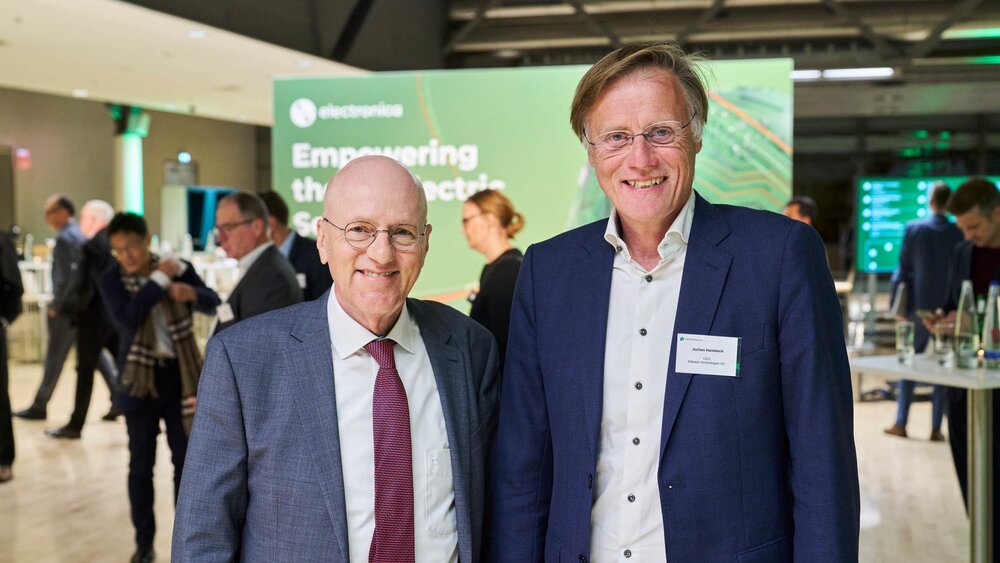
Jochen Hanebeck has been Chief Executive Officer of Infineon Technologies since 2022 and a member of the Management Board since 2016. Between 2016 and 2022 he served as the company’s Chief Operations Officer.
Prior to this, he worked in various management functions, including President of the Automotive Division from 2008 to 2016. Between 1999 and 2009 he held different operations positions across the company. From 1994 to 1999 he worked in the DRAM memory technology development.
Hanebeck studied electrical engineering at RWTH Aachen University. After he joined Infineon (Siemens AG until 1999), the company sent him to East Fishkill in New York State, where he worked at the IBM research lab. At this site Siemens, Toshiba and IBM joined forces in the development of 256-megabit DRAM memory.
Jochen Hanebeck was born in 1968 in Dortmund. From the very beginning, curiosity and the desire to understand things have been a strong drive for him. His enthusiasm for semiconductors has remained through all of his career stages. "I couldn't imagine working in any other industry," he says.
“Making life easier, safer and greener” is not only the mission Infineon pursues as a company. It is also Hanebeck’s personal motivation. As CEO he is passionate about working together with the Infineon team to drive forward the decarbonization and the digitalization of our world. Innovative and energy-efficient semiconductor solutions from Infineon are a key enabler for a net zero economy, and they link the real with the digital world.
Many strategic questions cannot be fully addressed in a panel discussion alone.
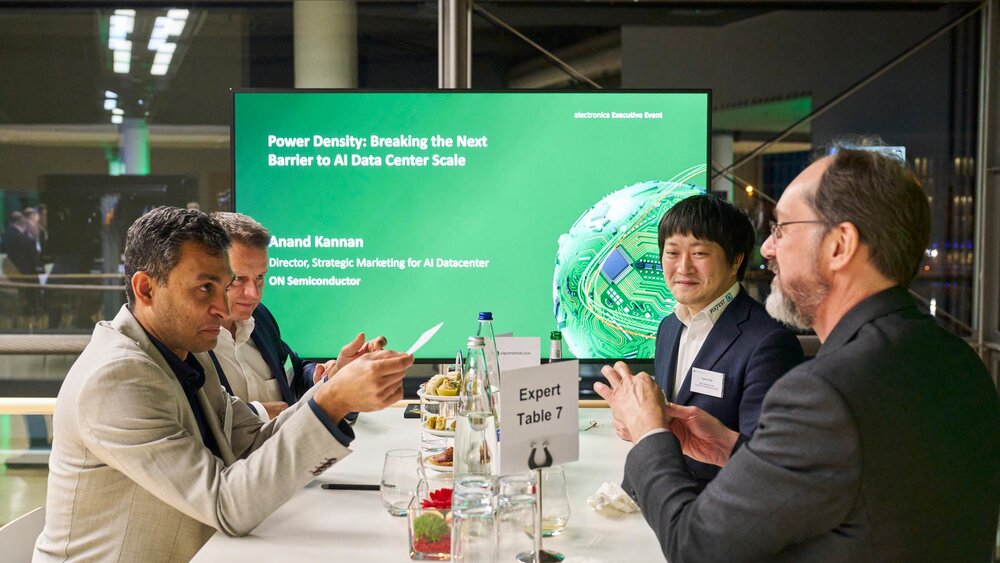
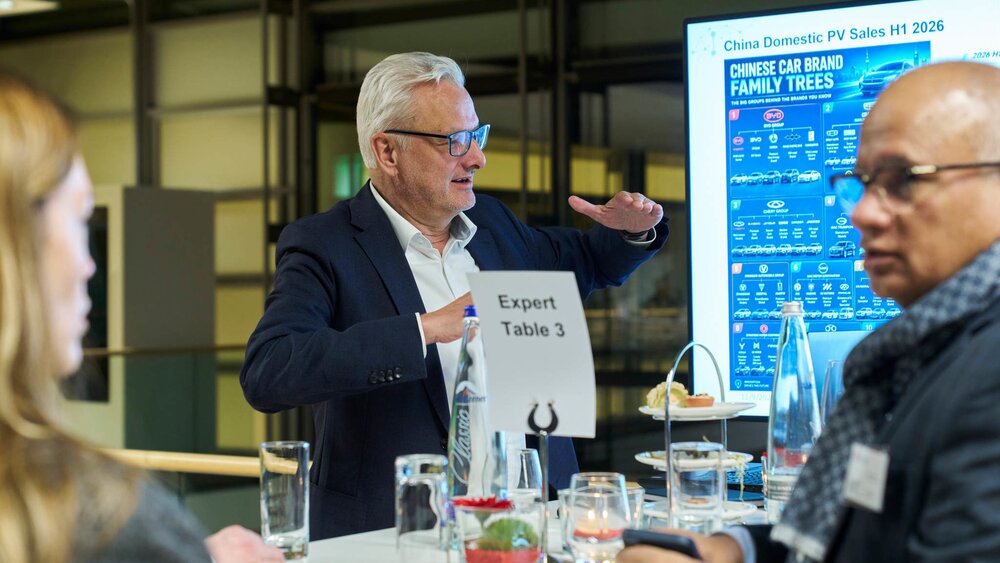
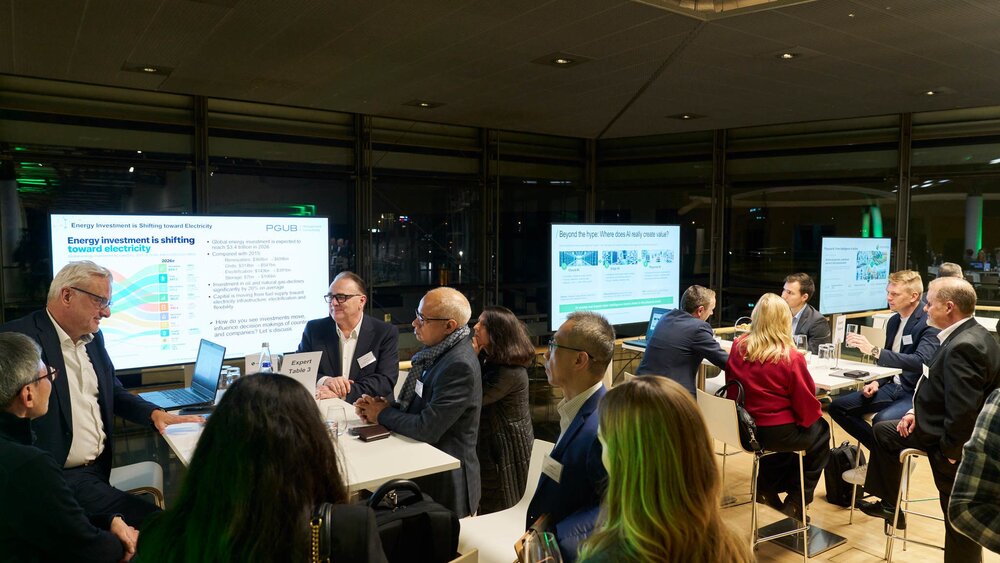
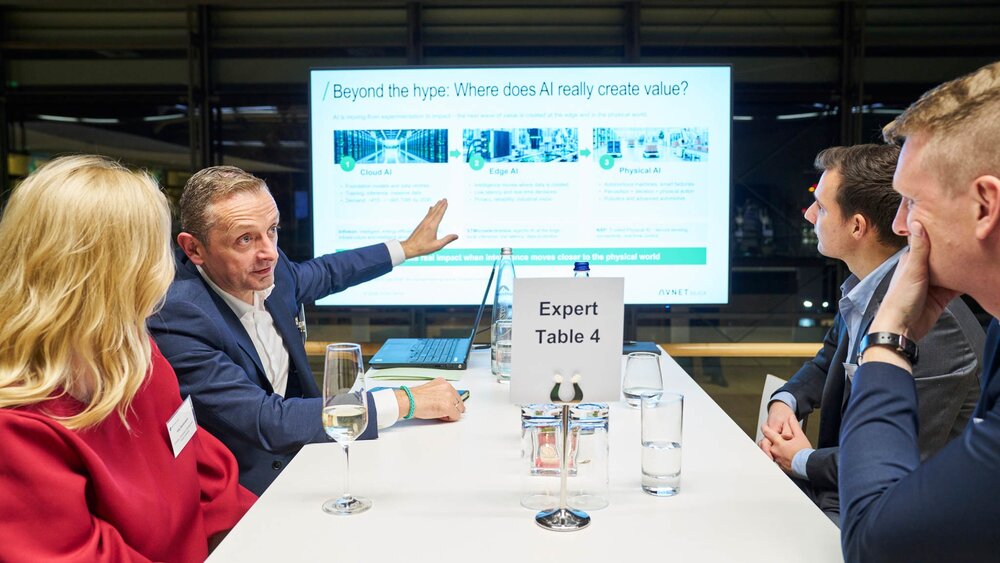
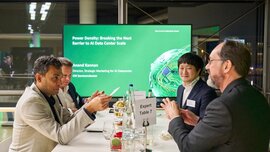
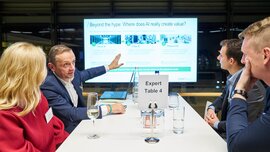
The Expert Tables create space to continue the conversation in smaller groups.
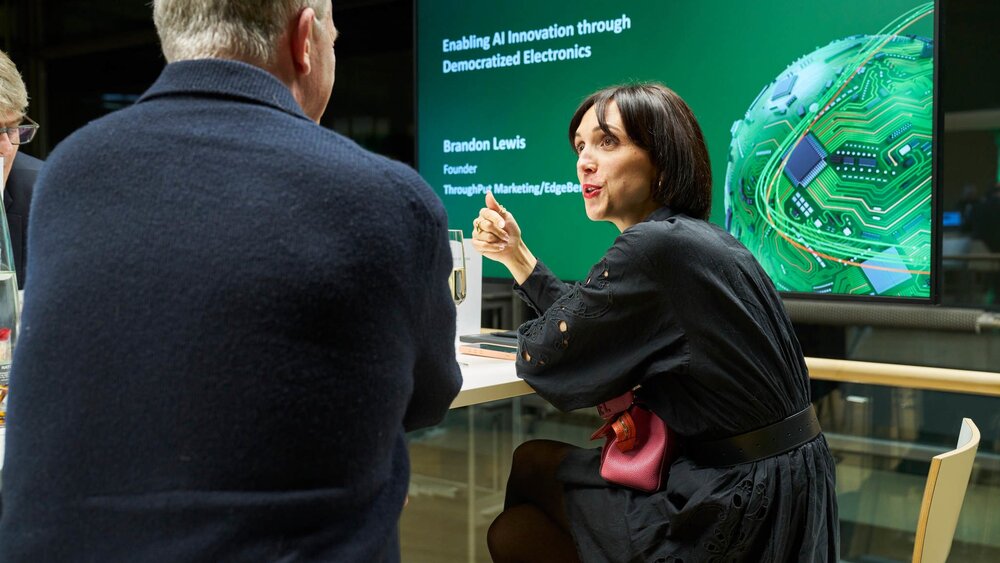
Each table brings together participants who share an interest in a common topic while approaching it from different perspectives. The Expert Tables will be moderated by selected industry specialists. Manufacturers, users, researchers, and other industry representatives contribute their experience and discuss practical challenges and opportunities.
The result is a deeper exchange that extends beyond the stage and connects different viewpoints.
Topic: Enabling AI Innovation through Democratized Electronics
Date | Monday, November 9, 2026 – the day before electronica opens |
Motto | Empowering the All-Electric Society |
Focus topics | Artificial Intelligence, Cyber Resilience, Energy Efficiency |
Format | Keynotes from industry and government, real-world perspectives, CEO Roundtable, Live Industry Radar, curated Expert Tables |
Target Audience | Senior leaders from industry, government, and user industries |
Language | English |
Participation | By personal invitation |
electronica Automotive Conference
Key topics at electronica 2026
electronica Industry Portal